-
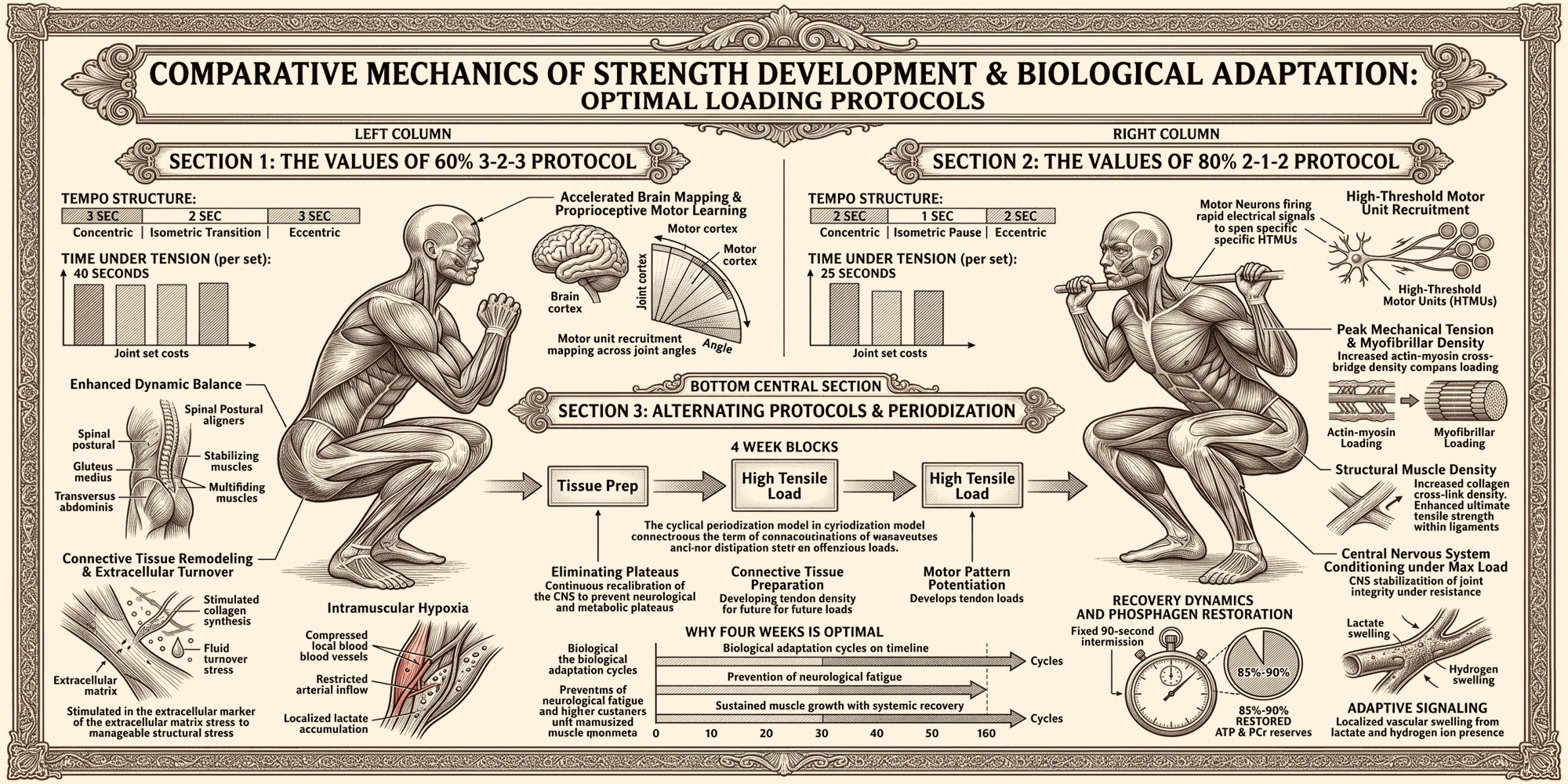
To achieve peak strength, an intensity level of 85% or higher is required to maximize neuromuscular adaptation. However, year-round exposure to this level of stress can lead to exhaustion of the central nervous system and structural overload. Athletes build a solid physiological foundation by maintaining working loads within the 60–80% intensity range. This structural foundation…
-
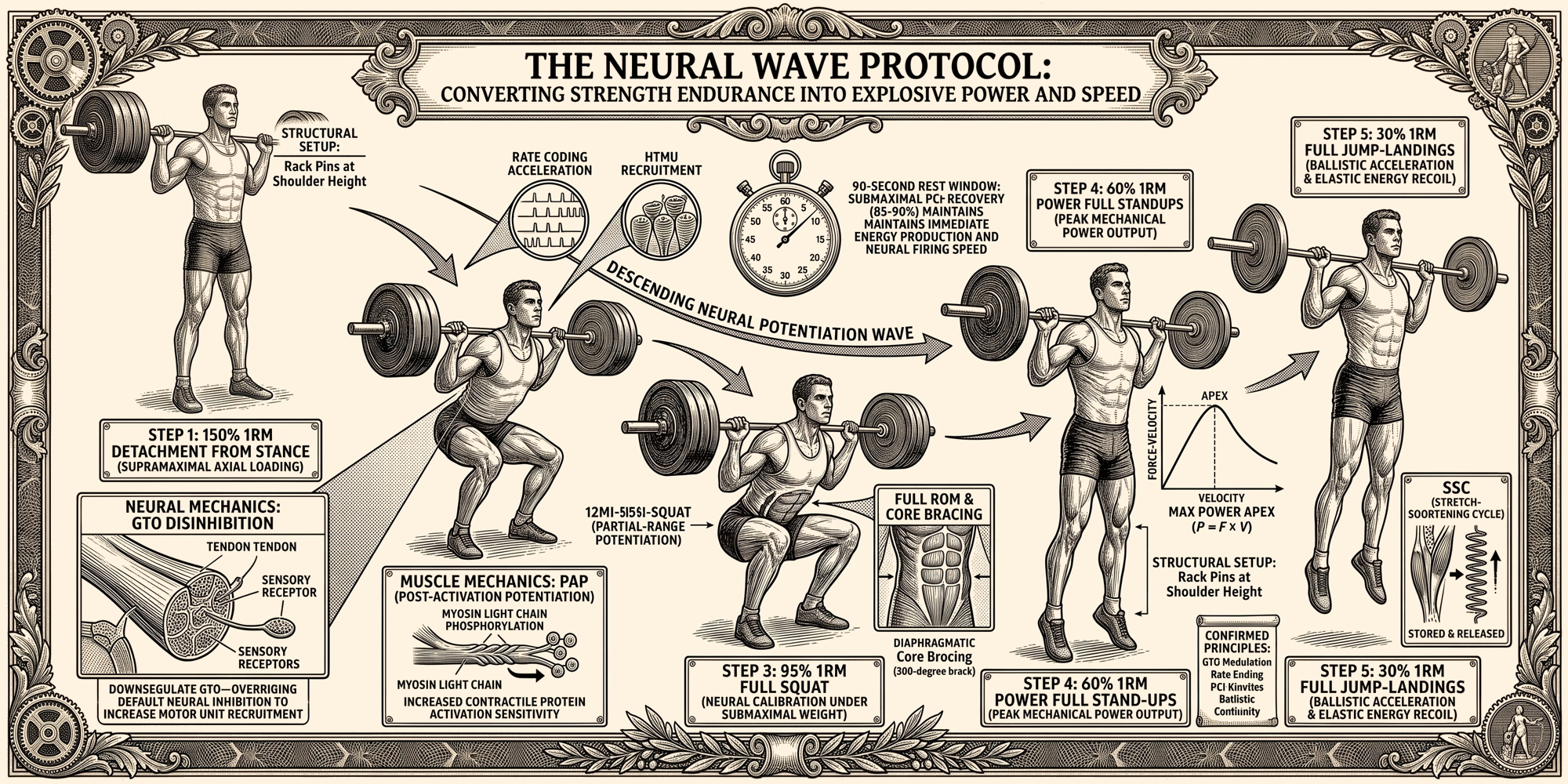
Converting baseline strength endurance into explosive power and speed requires a structured descending neural potentiation wave. Stepping down sequentially from supramaximal loads to light, ballistic movements conditions the CNS (Central Nervous System—the brain and spinal cord controlling muscular motor commands) to recruit fast-twitch muscle fibers under time-compressed conditions. High-threshold motor unit activation drives rapid force…
-
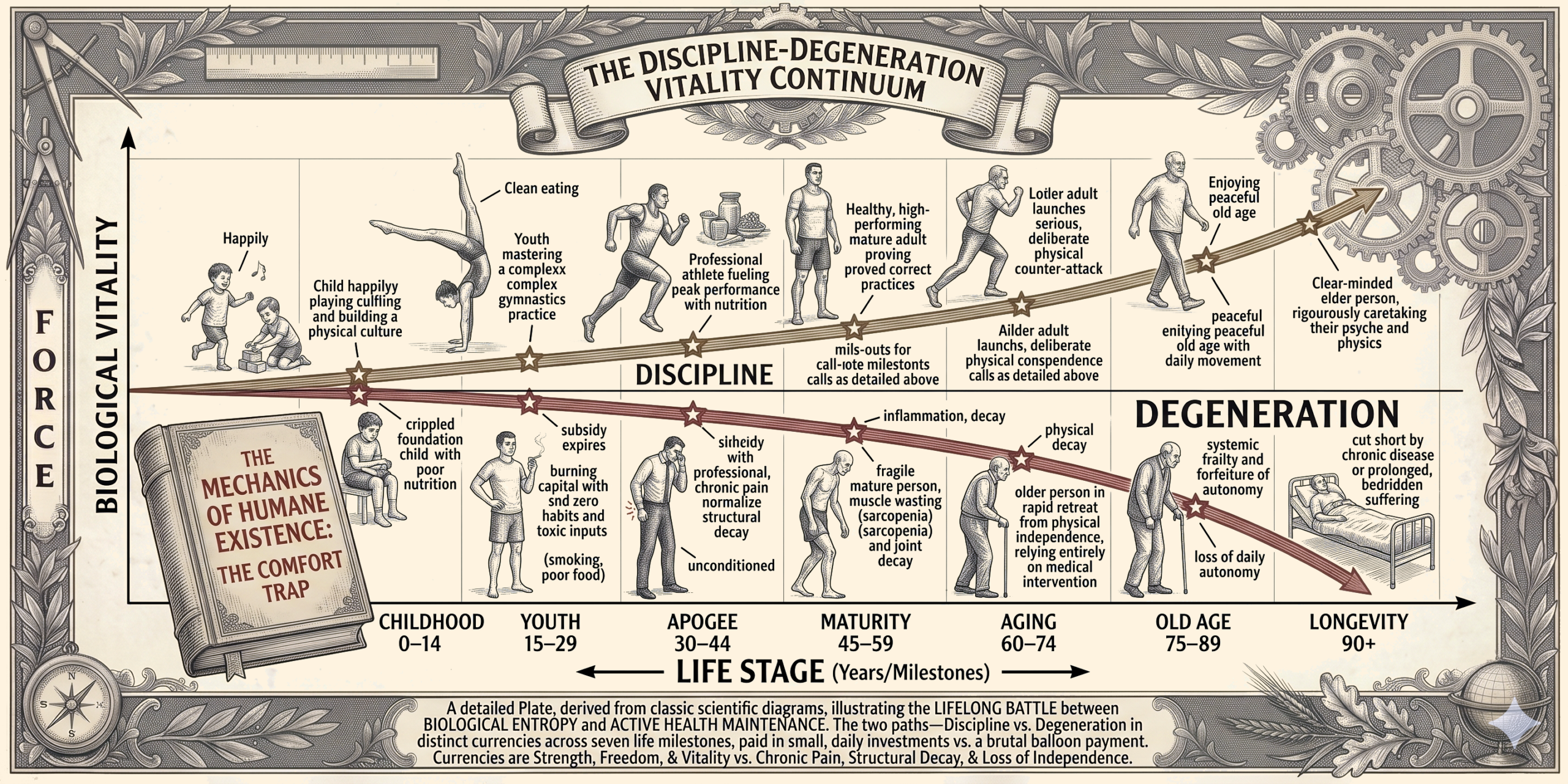
When observing people in everyday public spaces—like a crowded beach or a busy city square—it is easy to notice a massive collective misunderstanding of human biology. Many treat health as if it were a static property, a baseline status they naturally possess until a medical crisis occurs. They indulge in physical stagnation, toxic habits, and…
-
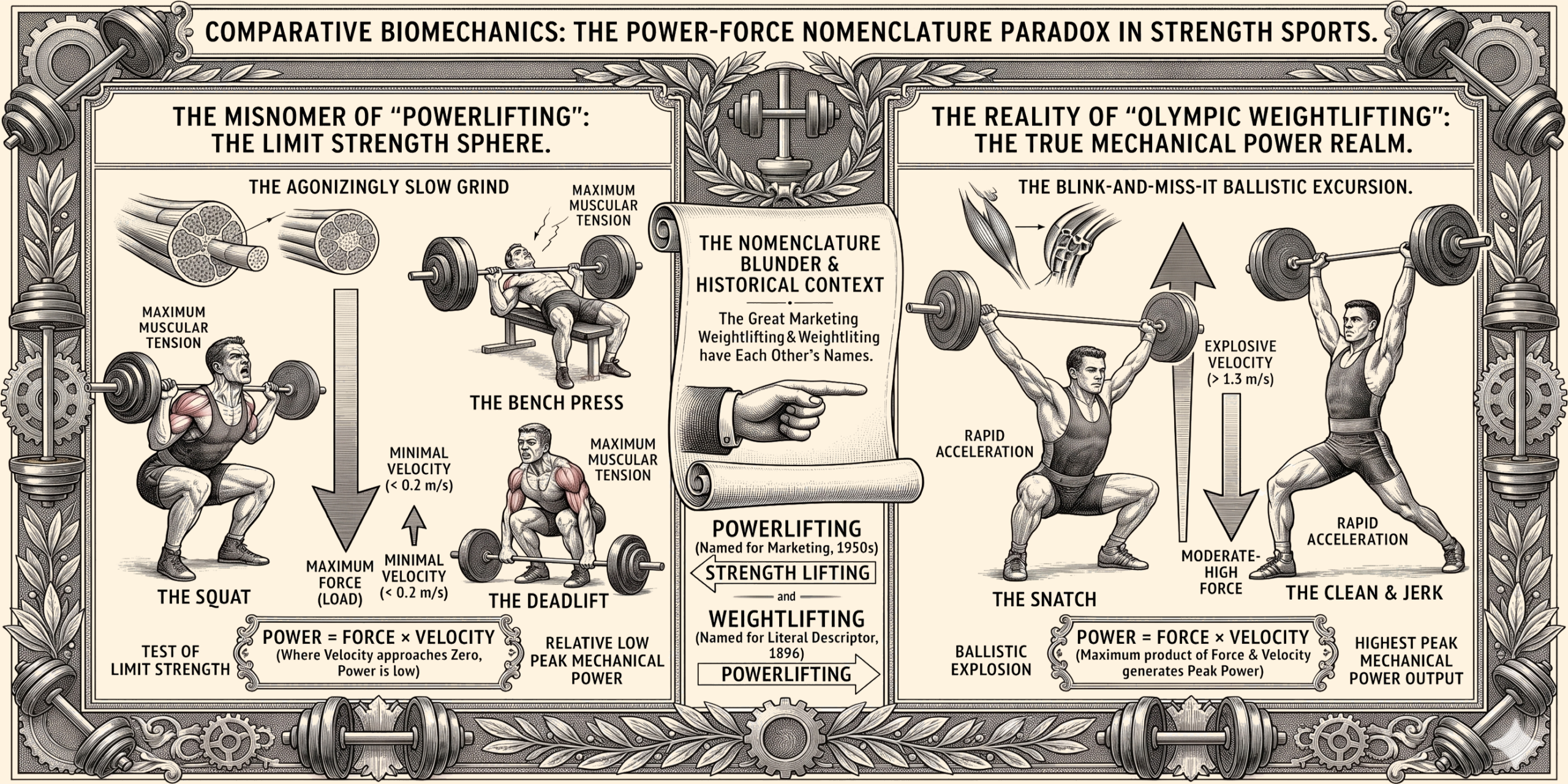
Have you ever watched an elite powerlifter pull a world-record deadlift? The barbell bends, the lifter’s face turns purple, and the weight creeps off the platform at a grueling, agonizingly slow pace. It is a spectacular display of human grit and absolute force. But from a pure physics perspective, there is just one problem: it…
-
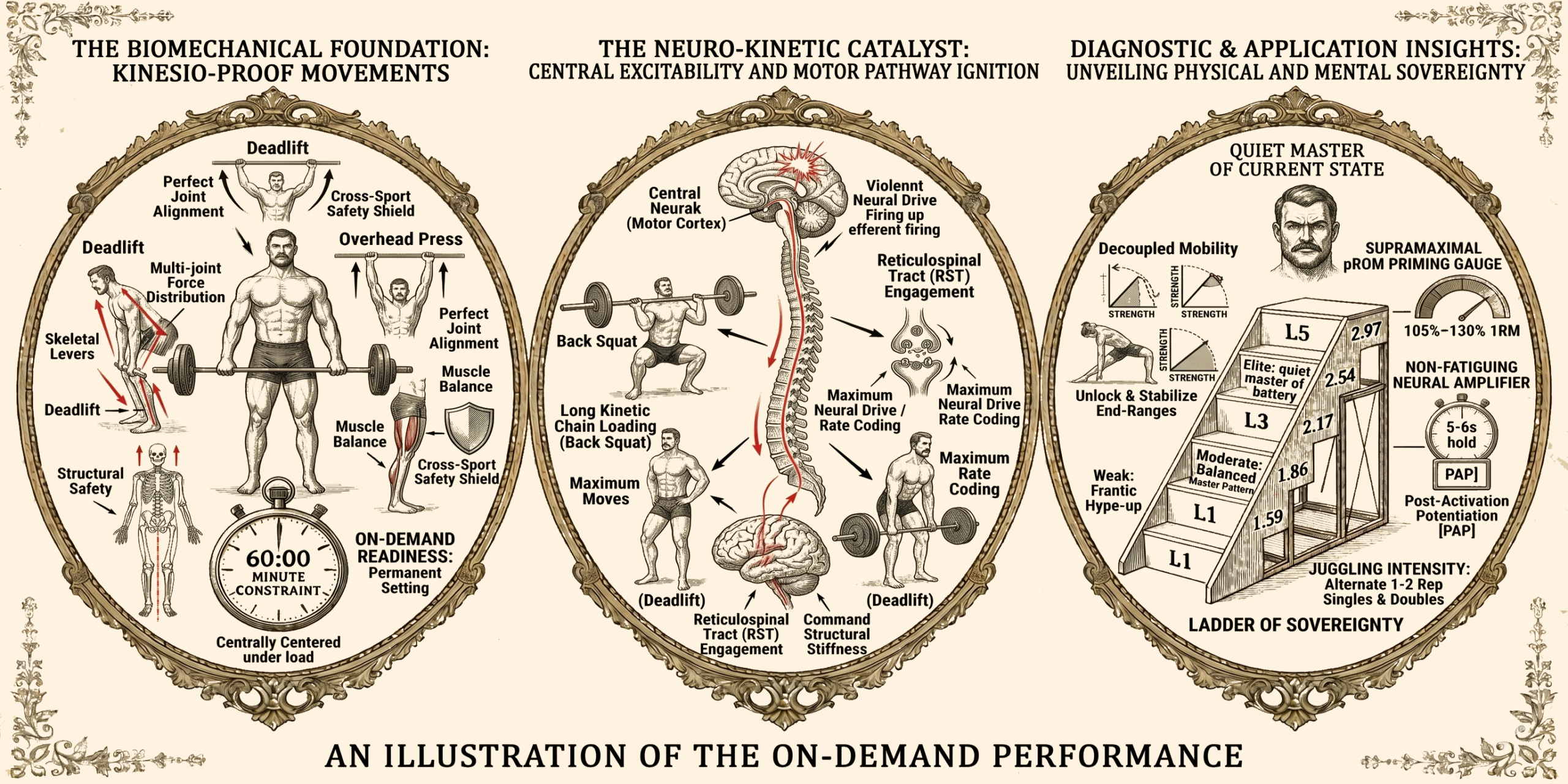
If the traditional warm-up is a neurophysiological illusion that breeds physical and psychological dependency, a critical question emerges: How do you forge a body and mind that are ready to perform at a moment’s notice? True readiness is not an artificial, transient state achieved after twenty minutes of sweating, stretching, and spinning your joints. True…
-
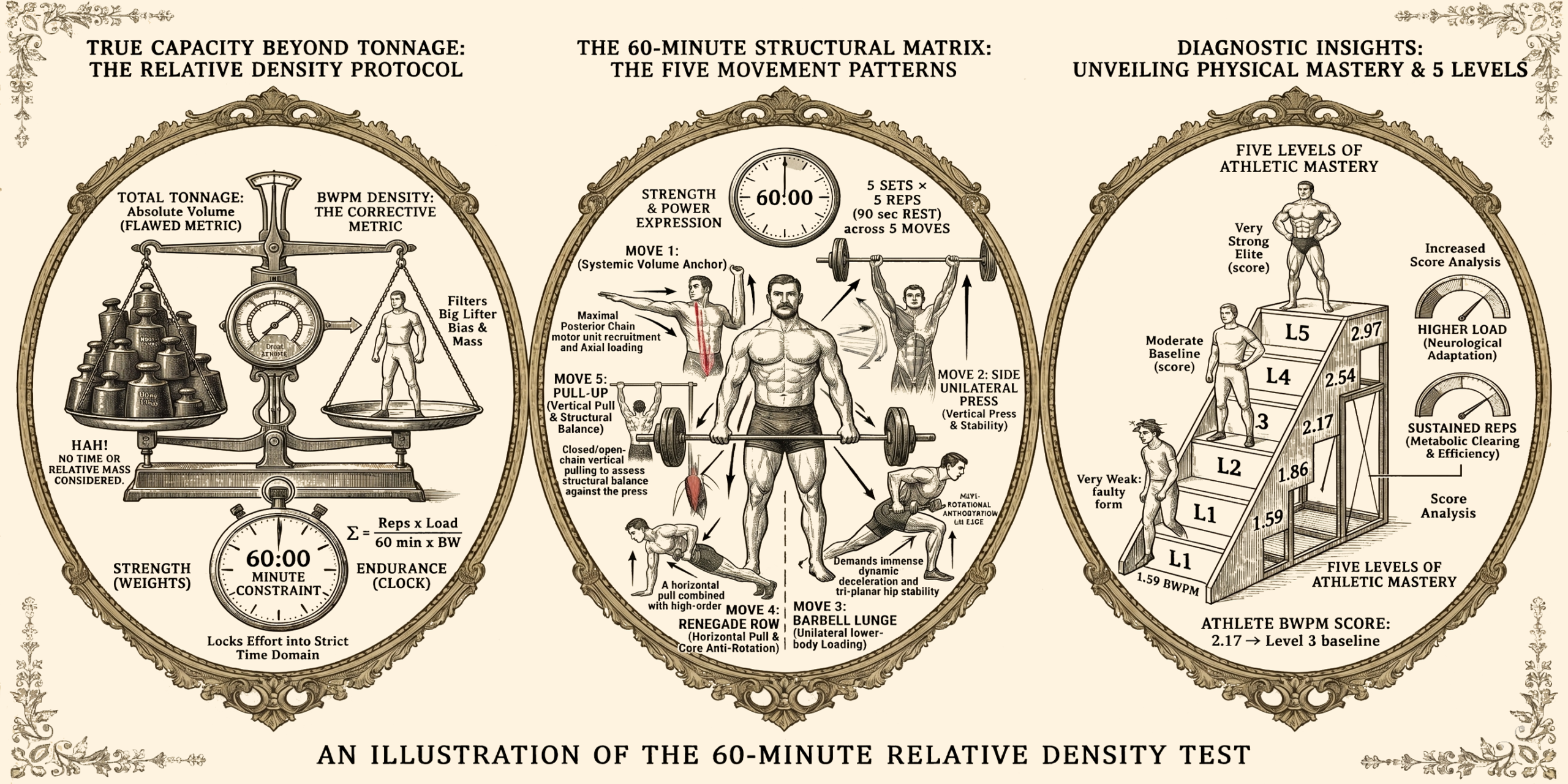
In strength and conditioning, absolute volume (sets × reps × load) is a deeply flawed metric when viewed in isolation. A 110 kg athlete moving 10,000 kg of total tonnage over an unstructured, two-hour session appears dominant on paper. However, this metric completely ignores two critical variables: time and relative body mass. I developed this…
-
For decades, sports culture has treated the pre-workout warm-up as an unassailable commandment. Physical culture enthusiasts and athletes are routinely told that jumping on a stationary bike, breaking a sweat, and stretching their muscles is an essential shield against injury and the only way to unlock physical potential. However, when applied to slow-speed, high-intensity physical…
-
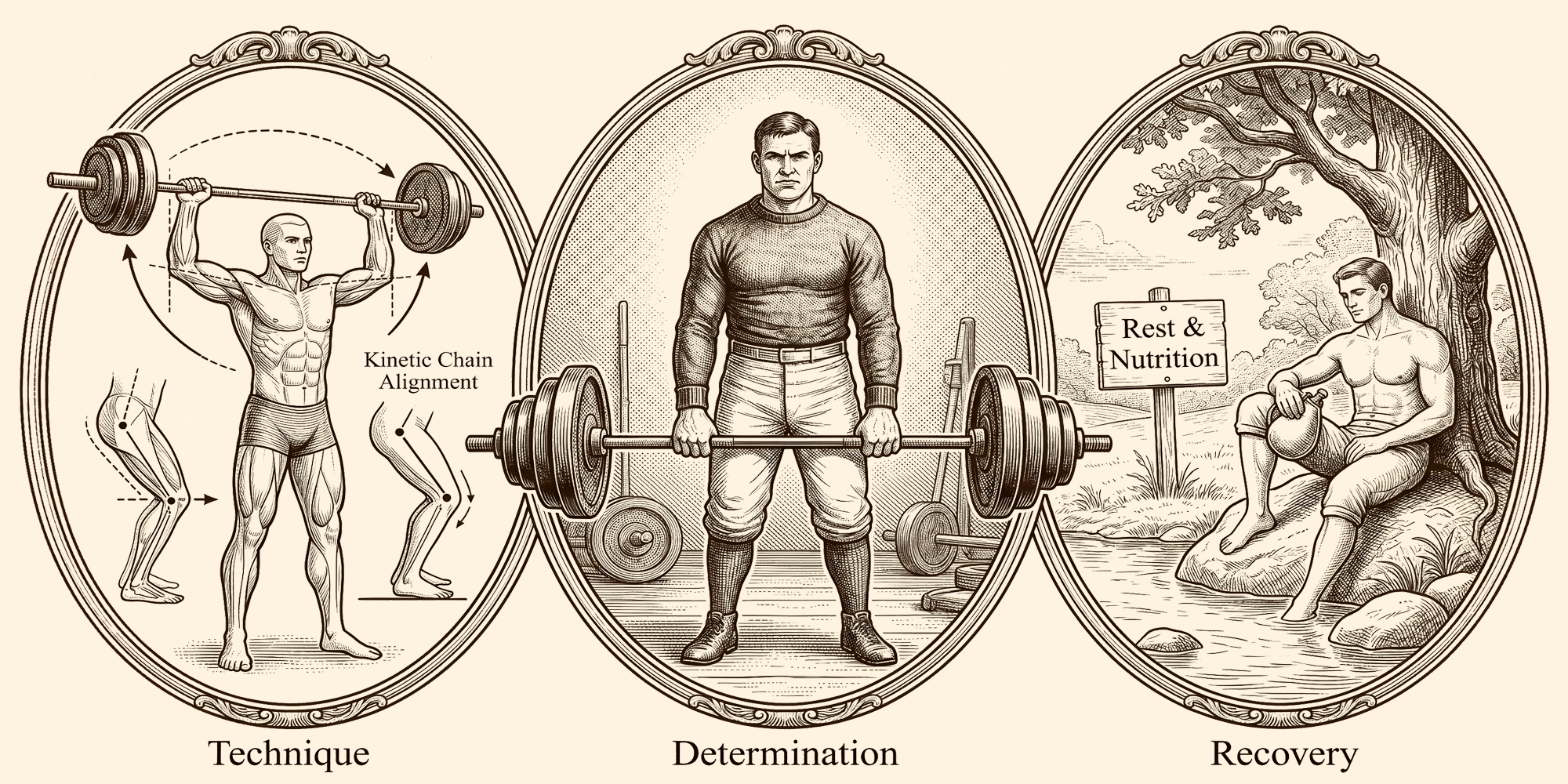
The Geometry of True Strength When training, it is essential to always respect your range of motion and maintain proper form. Doing otherwise will allow you to lift a few extra pounds on the bar at a fatal price. Strength built on distortion is disguised weakness. Every movement follows a natural path dictated by the…
-
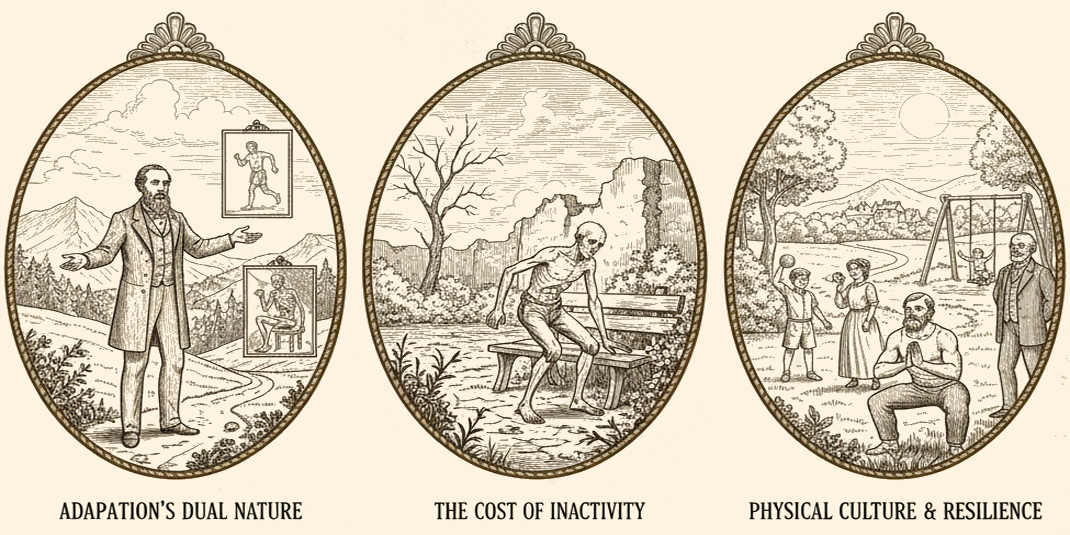
Adaptation: The Gift and the Danger Every animal has a primary defense mechanism and is adapted to its climate and food source. A turtle’s hard shell, for instance, is an innate protection that inevitably comes with a mobility limitation. Its survival depends on this one fixed defense mechanism. In contrast, humans inhabit the entire planet…
-
The body is a classroom that never closes. Practice movement precisely, patiently, and repeatedly. This shapes muscles and joints and teaches the brain a way of organizing action, attention, and effort. This disciplined education of the body builds automatic motor patterns, sharpens executive skills, and fosters steady patience and social habits. These elements form a…