The Two Aims of a Training Session
Training is a craft of two equal and complementary acts: learning how to move, and provoking the body to become what you intend. I call this duo a ‘work-in’. Firstly, it must teach the nervous system to perform movements with greater economy, alignment and control, building motor habit and mastery. Secondly, it must induce biological adaptations, such as stronger tissue and greater resilience, by applying the right amount of stress at the right time to build structural strength-endurance. When both aims are planned for and pursued, the session becomes deliberate, precise and productive. The key difference is purpose.
Work-out: The Labor Mindset
The other mindset is to ‘work-out’. It involves the outward labor of moving the weight, sweating and filling the hour with brainless nutcase effort. Focusing predominantly on external load, thinking only in terms of repetitions, kilograms and meters is external labor. It is also often the source of a false feat. While this approach is useful for some conditioning, it is ineffective for lasting transformation and is dangerous in the long term and inevitably leads to injury.
Performing sets until mechanical failure accelerates blood lactate accumulation and metabolic stress. This reduces force production exponentially and extends recovery time. Such high-fatigue protocols alter technical form, thereby altering joint loading vectors, increasing shear forces across passive articular structures, disrupting the memory of proper form and overexhausting the body, thereby limiting the overcompensation of the recovery process.
Work-in: What Makes It Distinct
The work-in framework involves designing deliberate movements and somatic governance. Setting an intention before physical exertion establishes the training as a systematic process of neurological refinement and skill acquisition, conserving energy and time in the process. Training operates as an internal practice of physical mastery. Cultivating movement economy requires aligning mental focus with somatic feedback, transforming physical exertion into an act of self-refinement. The work-in treats the physical body as an intelligent system organized for continuous neurological and structural refinement.
Work-in is defined by intention and integration. Each set begins with a clear aim — a technical quality, a range to protect, a tempo or a specific quality of force. The body is placed in positions that respect joint function and kinetic chains. Volume exists to support the purpose and is recorded so progress is guided. This training enters the body and rewires it.
Cultivating movement mastery develops resilient physical capacity, embedding quiet confidence through disciplined execution. Viewing physical capability as a lifelong practice aligns movement with biological capacity, preserving health across aging spectrums. Long-term movement progression depends on understanding the temporal spectrum of biological adaptation and structuring evidence-based coaching protocols. Moving from acute neurological stimulation to structural remodeling secures lasting physical capability.
Implementation for Coaches and Practitioners
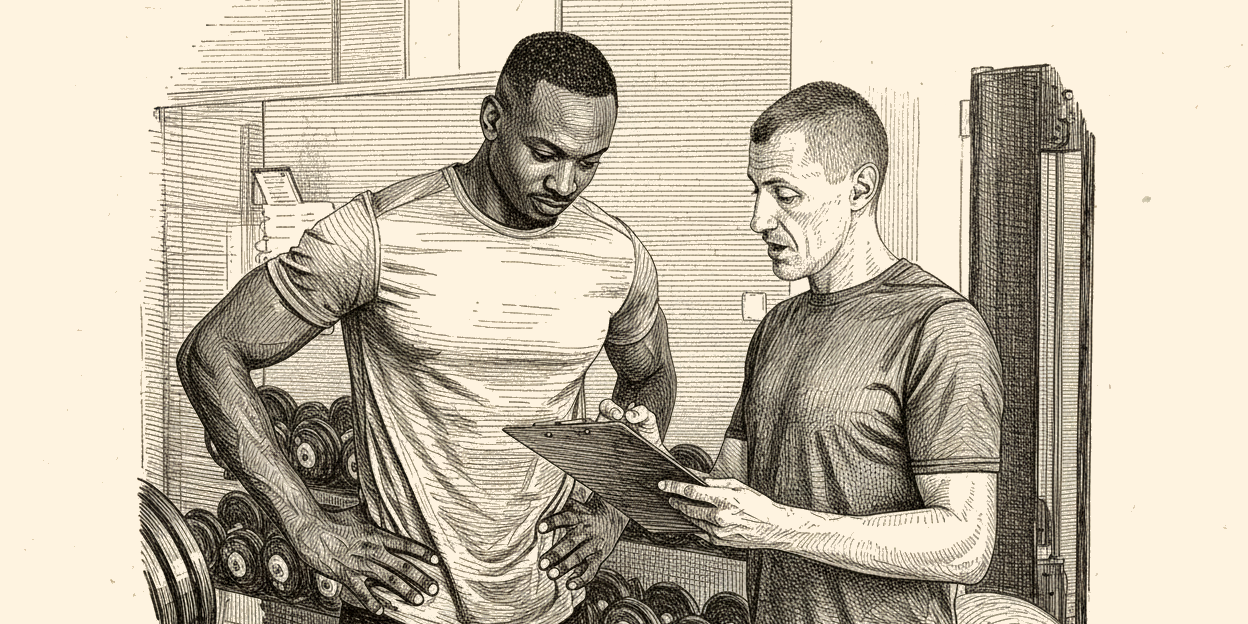
By using the language of work-in with athletes, coaches establish work-in principles by teaching athletes to evaluate sessions through technical improvement and precise movement metrics. Empirical tracking guides work-in-practice, transforming physical exercise into a structured process of skill acquisition, structural resilience and physical capability. This is what a real training is.
Practitioners establish clear qualitative criteria prior to initiating movement sets, ensuring every repetition serves a defined adaptive purpose. Training that enters the body is quiet and steady. It respects anatomy and time, honors recovery, and celebrates gradual mastery. Work-in is an investment, a modest daily deposit that accumulates into skilled movement, lasting strength and the calm confidence that comes from readiness. Over time the compound effect becomes obvious, being predictable, certain and unfolding. This is training that endures.